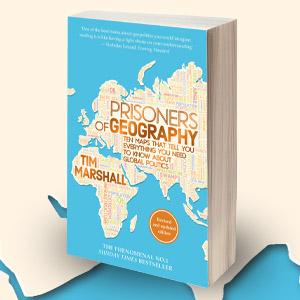
desertcart.co.jp: Prisoners of Geography: Ten Maps That Tell You Everything You Need To Know About Global Politics : Marshall, Tim: Foreign Language Books Review: 様々なテクノロジーや移動手段が発達した現代において、地形が国の発展や争い等にそこまで影響するものだろうか?昔は「山が天然の要害となり・・・」といったような状況があったが、今時そんなことがあるものだろうか? この本を読むと、今でも地理的要因は我々の生活や歴史に甚大な影響を及ぼしていることが分かる。 物流や交易に有用なタイプの河川(なだらかで、他の川にもつながっている等)があるかないか。耕作に適した土地が多くあるかないか。山脈か平地か、砂漠か。海に出やすいか否か。こういった条件が当然世界各地で異なる上に、特にアフリカや中東などでは欧州列強が恣意的に、地勢や民族分布等を考慮せずに国境線を引いたことも、その後の諸問題の引き金となったようである。 これまでニュースを見ても、経済的または人道的理由からしか各国の行動を考えられず、「なぜそんなことをするのだろう?」と思わされることもあったが、この本を読んで「そういうことだったのか」と納得がいくことも多かった。本の題名通り、我々は未だ地勢に囚われているのである。著者の、欧米人としての主観も垣間見られるものの、大変に興味深い内容で、国際ニュースの見方が変わる一冊。 但し、もともとは2015年の出版であるため、早くも内容が古くなり始めている。 英語は概して読みやすく、難易度も高くない。本文は厚めの紙で、292ページあるが、1ページあたりの語数はやや少なめ。巻末に参考文献表及びインデックス付き。 Review: 他の方も指摘しておられたように、おかれた環境から国際関係ひいては人間関係を理解するには大変分かりやすい書です。日本と近隣国の関係などは住む者にとっては非常に物足りなく、おそらく他の地域についても同じことで、すでにこの方面に詳しい方にはお勧めしません。題名のprisoners が示すように、生活そのものであるこの条件をクリアすることができない以上、甘い考えは無用、宗教はむしろ妨げで、逃れられないことを肝に銘じて外交処理をすべきとのメッセージには迷いがありません。いささか絶望感に襲われましたが、学校の授業では教えてくれないことをきちんと押さえてくれるので、若い時に一度は読むべき本です。


| Amazon Bestseller | #27,762 in Foreign Language Books ( See Top 100 in Foreign Language Books ) #6,358 in Education & Reference (Foreign Language Books) |
| Customer Reviews | 4.6 4.6 out of 5 stars (19,901) |
| Dimensions | 7.8 x 1.02 x 5.08 inches |
| ISBN-10 | 1783962437 |
| ISBN-13 | 978-1783962433 |
| Language | English |
| Paperback | 320 pages |
| Publication date | June 2, 2016 |
| Publisher | Elliott & Thompson Limited (June 2, 2016) |
R**N
様々なテクノロジーや移動手段が発達した現代において、地形が国の発展や争い等にそこまで影響するものだろうか?昔は「山が天然の要害となり・・・」といったような状況があったが、今時そんなことがあるものだろうか? この本を読むと、今でも地理的要因は我々の生活や歴史に甚大な影響を及ぼしていることが分かる。 物流や交易に有用なタイプの河川(なだらかで、他の川にもつながっている等)があるかないか。耕作に適した土地が多くあるかないか。山脈か平地か、砂漠か。海に出やすいか否か。こういった条件が当然世界各地で異なる上に、特にアフリカや中東などでは欧州列強が恣意的に、地勢や民族分布等を考慮せずに国境線を引いたことも、その後の諸問題の引き金となったようである。 これまでニュースを見ても、経済的または人道的理由からしか各国の行動を考えられず、「なぜそんなことをするのだろう?」と思わされることもあったが、この本を読んで「そういうことだったのか」と納得がいくことも多かった。本の題名通り、我々は未だ地勢に囚われているのである。著者の、欧米人としての主観も垣間見られるものの、大変に興味深い内容で、国際ニュースの見方が変わる一冊。 但し、もともとは2015年の出版であるため、早くも内容が古くなり始めている。 英語は概して読みやすく、難易度も高くない。本文は厚めの紙で、292ページあるが、1ページあたりの語数はやや少なめ。巻末に参考文献表及びインデックス付き。
H**K
他の方も指摘しておられたように、おかれた環境から国際関係ひいては人間関係を理解するには大変分かりやすい書です。日本と近隣国の関係などは住む者にとっては非常に物足りなく、おそらく他の地域についても同じことで、すでにこの方面に詳しい方にはお勧めしません。題名のprisoners が示すように、生活そのものであるこの条件をクリアすることができない以上、甘い考えは無用、宗教はむしろ妨げで、逃れられないことを肝に銘じて外交処理をすべきとのメッセージには迷いがありません。いささか絶望感に襲われましたが、学校の授業では教えてくれないことをきちんと押さえてくれるので、若い時に一度は読むべき本です。
ま**ち
very insightful book
Geographic factors influence the behavior of a country’s leaders. We are all restricted by mountains, rivers, and oceans. “Prisoners of Geography” is an interesting and insightful book that explains the underlying theories behind each country’s decision-making process. For example, Russia has long sought an unfrozen port and is interested in expanding southward. It has always feared invasion from the west, as there is no natural barrier to protect Moscow across the North European Plain. In the Middle East and Africa, almost all borders are artificial, often ignoring ethnicities, religious groups, and tribes. This has led to significant conflict and civil wars. I am particularly interested in the chapter on the Arctic, as few books discuss the geopolitics of this region. There may be abundant natural resources, such as oil and gas, beneath the melting Arctic ice, turning the area into a new source of disputes among surrounding countries. Geopolitical theory helps us understand history and predict the future.
青**塾
なかなか興味深い指摘も多く、英文も読みやすい。勉強になる。
た**ん
地政学を理解するのに、私のような初学者でも非常に読みやすい本だと思います。 地域ごとに章立てがされているのは、この種の書籍ではよく在る形式だと思いますが、内容が多すぎず少なすぎず、濃すぎず薄すぎないところが良いと思います。
A**ー
視野がひらけたのと、バラバラで記憶していた事件や戦争が1つの大きな構造の中につなげることができて、為になる本だった。 あと英語の試験対策にも色々な面で役立つと思う。
フ**ン
ロシアがなぜクリミア併合だけに満足せずにウクライナ侵攻にこれだけ拘るのか?今の時代に、政治情勢も大きく異なるピョートル大帝時代と変わらぬ覇権奪取に邁進することの不可解さですが、この本の説明で300年経っても変わらない地理的制約が大きな原因と理解することが出来ました。 また、地球温暖化によって北極圏の凍結期間緩和によって、北極海の海運ルートとしての利用がより可能になってきていること、このルートの確保についても、不凍港を求めて止まないロシアと欧米諸国との軋轢を生んでいるという問題指摘も印象に残ります。 地域紛争が絶えないアフリカ諸国の問題、中国チベット問題、米国メキシコの国境成立の経緯と19世紀米墨戦争の歴史、中近東紛争、インドパキスタン紛争と原因となる地政学的分析に興味が沸きます。 第5章アフリカに関する章の冒頭に我々が普通に使う平面世界地図(メルカトル図法)は、投影法によるひずみのため、アフリカ大陸が小さく見えたり、ロシア、ブラジル、グリーンランドが大きく見える。アフリカ大陸の実際の大きさは、アメリカ、グリーンランド、インド、中国、欧州を包含して余りあるほど大きいと解説されています。 地球儀が欲しくなりました。ご一読を勧めます。
A**R
As illiterate as opinionated
I have written only the part about Russia, maybe other parts are better. This book should not be mistaken for an academic work (as many researchers do); it is journalistic in nature, lacking references and discussions of relevant theories. A significant portion of the chapter is dedicated to Russian history, despite the author’s limited understanding of it. For instance, he claims that during the reign of Tsar Ivan the Fourth, Russia established control over Chechnya (actually, it was Kabarda) to protect itself from invasions by the "Golden Hordes" (which the author oddly uses in the plural) from the Southern Caucasus. In reality, the Golden Horde never controlled the Southern Caucasus and had ceased to exist by the 16th century. The author also treats the "Will of Peter the Great" as an authentic document, despite it being long-established as a forgery created by Napoleon Bonaparte’s government. It's also puzzling, from a common-sense perspective, to suggest that Russia followed a consistent geopolitical policy over centuries, particularly one that focused on expanding northeast to protect itself from foreign invasions. The author presents the "laws of geopolitics" in a didactic manner, but essentially rehashes the ideas of early 20th-century geopolitical scholars, without acknowledging the significant critiques of these ideas. Strangely, in discussing Russia’s supposed need to defend its core territory from Western invasions (which, according to the author, explains its reaction to Ukraine’s 2014 Euromaidan), Marshall entirely omits the role of nuclear weapons as a contemporary means of deterrence. There is also an implicit suggestion that Moscow could be targeted to defeat Russia in war, despite Russia’s evident capability to retaliate with a devastating nuclear strike in this case. Overall, the book—at least the chapter on Russia—is as ill-informed as it is opinionated. This might not be a significant issue if the book was not influential, even in academic circles (a reviewer of one of my articles once demanded that I reference it while revising my draft). The key issue is that the book justifies Russian policy towards Ukraine by invoking Russian history (which the author knows poorly) and "rigid geopolitical laws" (although the author seemingly has little knowledge of the theory of geopolitics, especially in light of post-WWII scholarly discussions on the subject).
O**A
id say that if you are ignorant on geopolitics and politics as a whole, this book may be a good starting point,
R**S
Impressionante ler este livro em plena guerra da Ucrânia. Verifica-se a veracidade do escrito pelo autor. Possivelmente teremos outras passagens semelhantes nos próximos anos
R**R
Ich hätte vorher nicht gedacht, dass die Zusammenhänge zwischen Geographie und Politik so interessant sein können. Tatsächlich war ich beim ersten Blick ins Buch etwas enttuscht, weil mich der Untertitel in die Irre geführt hatte: "Ten maps that tell you everything you need to know about global politics" - da hatte ich gedacht, dass den Leser spezielle Karten erwarten, die dann im Text näher erläutert werden. Die Karten zu den einzelnen Kapiteln sind aber ganz normale Ausschnitte, wie man sie aus jedem Atlas (oder einem Onlinedienst) nehmen könnte. Es sind die erhellenden Erläuterungen von Tim Marshall, die den Unterschied machen und viele Dinge klar werden lassen, die vorher unverständlich erschienen. Die zehn Kapitel behandeln einerseits Großmächte wie die USA, China und Russland, andererseits Problemzonen wie den Nahen Osten, Indien/Pakistan, Japan/Korea; auch Westeuropa und die Arktis sind vertreten, Afrika und Lateinamerika. Immer geht es darum, wie die Gegebenheiten der Naturräume Politik und Geschichte ganz wesentlich beeinflusst haben (und es noch tun). Wer sich schon immer gefragt hat, woher etwa die unermüdlichen Aggressionen eines Herrn Putin rühren, wird nach diesem Buch mehr wissen. Im Grunde ist es einfach: Völker, Nationen und Staatengebilde haben zwei Grundbedürfnisse, die sie erfüllen wollen: Sicherheit vor Angriffen von außen und gute Verkehrsverbindungen im Inneren, um Handel und Wirtschaft blühen zu lassen. Beides wird stärker durch die Geograhie beeinflusst, als wir uns das in unserer technikgläubigen Zeit vielleicht vorstellen. Das Zusammenspiel der politischen Grenzen mit Gebirgen und Ebenen, Flüssen und Meeren, führt in den realen Situationen der verschiedenen Länder zu den ganz verschiedenen Verwerfungen, die wir heute kennen. Das ganze Buch ist ein einziges großes Aha-Erlebnis. Eine besondere Aktualität gewinnt es noch dadurch, dass sich - auch darauf geht Marshall ein - Jahrzehntausende alte Gegebenheiten etwa im arktischen Meer derzeit durch den Klimawandel verändern, was auch die Spielregeln der globalen Geopolitik ändert. Ein hochgradig spannendes Buch für Leute, die verstehen möchten, wie unsere Welt funktioniert!
C**D
Super interesting book. Now I want to read more work from the author!
A**S
Very good book to have a great overview of the geopolitical situation in the world
Trustpilot
2 months ago
5 days ago