
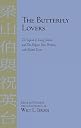
The Butterfly Lovers: The Legend of Liang Shanbo and Zhu Yingtai: Four Versions with Related Texts
Product ID: 66528628
🌏Deep cultural & historical context
📚4 versions of the classic legend
🦋Iconic Butterfly Lovers tale
28040CFA
1
Sold byAmazon SenegalDelivered byDesertcartCustomer service byDesertcartReturns14 days · 30 with PRO
Buyer Protection · Full refund if your order doesn't arrive as described.
Desertcart purchases this item on your behalf and handles shipping, customs, and support to Senegal.
Secure transaction
Description
🦋 Unlock the timeless love story that shaped a culture — don’t miss your chance to own this legend!
- COLLECTORS QUALITY - Used book in good condition—own a piece of literary history that sparks meaningful conversations and intellectual prestige.
- FOUR DISTINCT VERSIONS - Dive into multiple translations and literary adaptations, offering a rich, layered understanding of this iconic tale.
- TIMELESS CULTURAL EPIC - Experience the legendary Butterfly Lovers story, a cornerstone of Chinese folklore rivaling Romeo and Juliet in emotional depth.
- HISTORICAL SOCIAL INSIGHT - Includes expert introduction exploring gender roles and social norms in late-imperial China, perfect for the culturally curious professional.
- HIGHLY RATED FOLKLORE CLASSIC - Join thousands of readers who gave this a 4.8-star rating, affirming its status as a must-have for folklore enthusiasts.
This used book presents four versions of the Butterfly Lovers legend, a foundational Chinese love story comparable to Romeo and Juliet. It includes translations, related texts, and an expert introduction by Wilt L. Idema that contextualizes the tale within Chinese cultural history and gender discourse. Highly rated and a top folklore pick, it’s a compelling read for anyone interested in literary classics and cultural heritage.
Specifications
| Best Sellers Rank | #821,808 in Books ( See Top 100 in Books ) #7,927 in Folklore (Books) |
| Customer Reviews | 4.8 out of 5 stars 21 Reviews |
Common Questions
Yes, all products are sourced directly from authorized retailers in the US, UK, UAE and India. We maintain strict quality control processes and verify each product before shipping. All items come with applicable manufacturer warranties and are covered by our standard return policy.
Delivery times vary by destination country, typically ranging from 3-9 business days. Each order is fully trackable through our system. We handle all customs clearance and use reliable courier partners for last-mile delivery. You'll receive regular updates about your order status via email and our app.
Desertcart is an international e-commerce platform operating since 2014. We securely process thousands of orders globally each day. Every product goes through our quality verification process before delivery, and we provide end-to-end order tracking, 24/7 customer support, and a comprehensive returns policy to ensure a safe shopping experience.
Our prices include the product cost, international shipping, import duties, customs clearance, and local delivery charges. We handle all customs and import procedures, ensuring there are no hidden fees upon delivery. PRO members receive additional benefits including free shipping.
Trustpilot
TrustScore 4.5 | 7,300+ reviews
Shop Global, Save with Desertcart
Value for Money
Competitive prices on a vast range of products
Shop Globally
Serving millions of shoppers across more than 100 countries
Enhanced Protection
Trusted payment options loved by worldwide shoppers
Customer Assurance
Trusted payment options loved by worldwide shoppers.
Desertcart App
Shop on the go, anytime, anywhere.