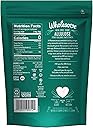
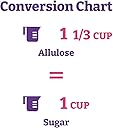
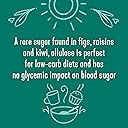
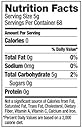
I bought Wholesome Allulose after reading that it may naturally elevate GLP-1 levels, and I figured it was worth a try—especially since I’m not interested in jumping on the GLP-1 injection train. I’ve been adding about a teaspoon to my coffee each morning, and I’m really impressed. I didn’t notice any taste difference at all, which is huge for me—I’m very sensitive to stevia and artificial sweeteners and usually dislike them. This had none of that fake sugar taste, which is a major win. Another plus: allulose measures about 70% as sweet as regular sugar, so you may want to use just a bit more if you’re replacing sugar in a recipe. The conversion is actually provided on the package for baking. But for daily use like coffee or tea, it’s been perfect. So far, I’m happy with it and will definitely keep using it! I’ll update if I notice any difference in my sugar craving after longer term use. Another reviewer made some misinformed claims that I’d like to debunk about this product from a scientific perspective: Claim #1: “Made from corn = bad” Reality: Yes, most commercially available allulose is made from corn starch—specifically, non-GMO corn in the case of reputable brands like Wholesome. But this is not a bad thing. Many natural ingredients are derived from agricultural sources via enzymatic or fermentation processes. Corn is a widely used starting material for natural sweeteners (including erythritol, xylitol, and allulose) simply because it’s abundant and scalable. Allulose is chemically identical regardless of the source—whether it’s extracted from figs or created via enzymatic transformation from corn. The source doesn’t affect its structure or safety. Claim #2: “This is highly processed / unnatural!” Reality: Let’s address the processing: Allulose is naturally present in small amounts in foods like jackfruit, raisins, and figs—but it’s incredibly inefficient to extract at scale. The enzymatic process that turns corn starch into allulose mimics what happens in nature, and it’s no more “unnatural” than how cheese is made from milk with rennet or how kombucha is brewed. As for “GMO enzymes”: this refers to enzymes produced by microorganisms that have been genetically modified to produce large quantities of a specific enzyme. These enzymes are purified and removed from the final product, meaning there is no GMO material in your sweetener. This is common practice in many foods and pharmaceuticals (like insulin, for example). Claim #3: “It’s just overpriced corn sugar!” Reality: Allulose is not sugar—not in how your body processes it. • It’s a rare sugar that isn’t metabolized the same way as glucose or fructose. • It has virtually no calories and does not raise blood sugar or insulin levels, which makes it appealing for people with diabetes or those on low-carb diets. • It may even support GLP-1 activity, as some early studies suggest. Yes, it costs more than regular sugar—because it is much more expensive to produce. You’re paying for a functional, low-impact sweetener, not a commodity sugar. Claim #4: “The label is deceptive and hard to read” Reality: Most reputable brands (like Wholesome) clearly state that their product is made from non-GMO corn. It may be in smaller text on the back due to packaging design, but this is standard. If a customer has specific ingredient concerns, checking the back label is common practice.